
I’m 59 years old.
When I look in the mirror, I don’t see a man who is “winding down.”
I see a man who is still building.
However, I also know that if I didn’t prioritize the clank of iron and the resistance of a cable machine, my reality would look very different.
In my coaching practice here in Toronto, I talk to men and women every day who feel like their bodies are betraying them. They mention “aches and pains,” “slowing down,” or the dreaded “middle-age spread.” But here is the truth that many doctors won’t emphasize enough: aging isn’t the enemy—muscle loss is.
If you are over 50, strength training isn’t just about looking good at the beach (though that’s a nice perk). It is quite literally the most potent medicine we have for longevity, independence, and vitality.
The Biological Reality: Sarcopenia vs. You
Starting in our 30s, we begin to lose muscle mass at a rate of about 3% to 5% per decade. Once we hit 60, that decline often accelerates. This process is called sarcopenia.
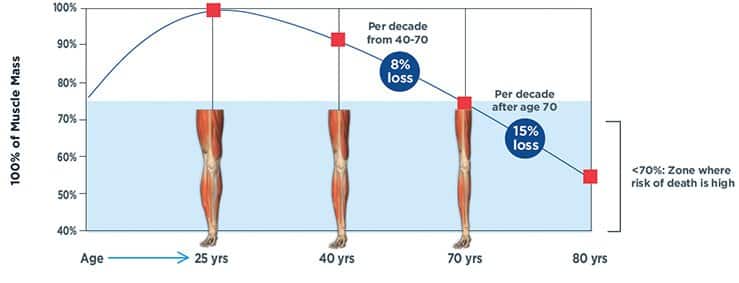
By lifting weights, we aren’t just building “vanity muscles.” We are engaging in hypertrophy—the process of repairing and thickening muscle fibers. This keeps our “engine” running hot, protecting our joints and ensuring we can still carry our own groceries, hike the Don Valley trails, or pick up our grandkids without a second thought.
4 Pillars of Longevity Through Strength
1. Bone Density and Fall Prevention
As a trainer, one of the statistics that keeps me up at night is the prevalence of falls among seniors in Canada. A fall isn’t just an accident; for many, it’s a life-altering event.
Strength training increases bone mineral density. When we place stress on our bones through resistance, it signals the body to deposit more calcium and minerals. Stronger muscles also mean better proprioception (your body’s ability to sense its position in space). When you have the leg strength to catch yourself after a trip, you transform a potential hip fracture into a simple “oops.”
2. Metabolic Health and the “Afterburner”
Our metabolism naturally shifts as we age, but we don’t have to accept weight gain as inevitable. Muscle is metabolically active tissue; it burns more energy than fat, even at rest.
When you perform a high-intensity strength session, you trigger the Excess Post-exercise Oxygen Consumption (EPOC) effect, or the “afterburner.” This means your body continues to burn calories at an elevated rate for hours after you’ve left the gym. This is vital for managing blood sugar and preventing Type 2 diabetes, which becomes a greater risk as we cross the 50-year mark.
3. Mobility: The Ability to Move Freely
There is a common misconception that lifting weights makes you “stiff.” In reality, weighted mobility is the key to staying limber. Performing exercises like squats, lunges, and rows through a full range of motion keeps your joints lubricated and your connective tissues resilient.
I tell my clients: “We don’t stop moving because we grow old; we grow old because we stop moving.” Strength training ensures that your “movement bank” stays full.
4. Cognitive Function and Mood
The benefits aren’t just physical. Pushing against resistance releases myokines—often called “hope molecules”—which have been shown to reduce inflammation in the brain and improve cognitive function. There is a direct link between physical strength and a lower risk of cognitive decline. Plus, there is a profound psychological win in realizing that at 55, 65, or 75, you can still get stronger.
How to Start (The Right Way)
If you haven’t picked up a dumbbell in years, the goal isn’t to walk in and bench press 200 pounds. It’s about consistency and progressive overload.
Focus on Compound Movements: Squats, deadlifts (or hinges), pushes, and pulls. These movements mimic real life.
Prioritize Form Over Weight: At our age, an injury is a massive setback. We train for “longevity,” not “ego.”
Don’t Ignore Recovery: We don’t recover as fast as we did at 25. High-quality protein intake and 7-9 hours of sleep are non-negotiable parts of the training program.
Final Thoughts
I often hear people say, “I’m too old for that.” My response is always: “You’re too old NOT to do that.”
We are living in an era where we can decide how we age. We can choose to be the person who needs help getting out of a chair, or we can be the person who is still hitting the gym three times a week, feeling vibrant, capable, and strong.
Strength training is the closest thing we have to a fountain of youth. It’s time to stop worrying about the years on the clock and start focusing on the power in your muscles.